



Ode to Stavanger
We, as a firm, have always been excited to explore the untapped ecosystems. Where other investors are shying away, where founders are isolated from the market noise and can do more with less (counterintuitive for Norway), and where engineering talent density is uncomparable with anything else in Europe.
Stavanger, being the oil and gas co-capital of Europe is exactly hitting the sweet spot of all three. A municipality with 150k residents, has more than half of its working force in engineering. A lot of these talents are now looking for “cleaner” alternatives to oil and gas with some going towards electrification. It isn’t surprising that Stavanger is also home to 1st and 3rd most installed home EV chargers in Europe - Zaptec and Easee. Both have raised anecdotal amounts and albeit being based out of small town in Norway, have become complete category leaders.
While others are looking over shoulder, these guys are executing. Now onto what Stavanger’s latest electrification addition - Starflow is trying to solve!
State of the market
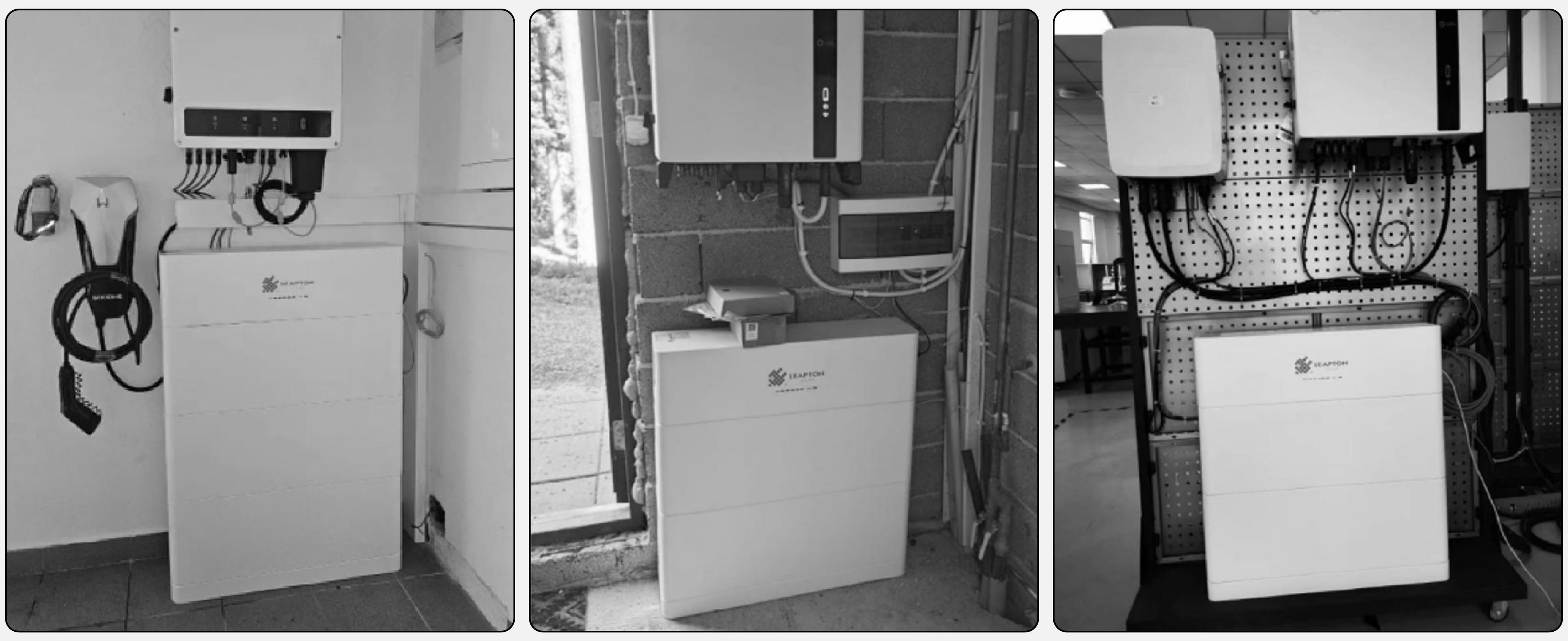
This is how the typical “electrification” setup looks like at most homes equipped with solar and battery storage. It’s bulky, non-aesthetic, and thus is typically hidden in the most remote places of one’s home. It works, but it doesn’t represent the modern tech appliances we otherwise have at home. This hasn’t changed much since inception and brings a lot of caveats for both installers and end-consumers.
Installation costs contribute to 50-60% of the total system, and while our other portfolio companies, such as Jumptech and sun.store streamlines its soft costs, each system installation still requires multiple cablings, complex mounting. It’s as far as it gets from plug & play. Additional batteries or solar capacity added to the system typically requires replacement of the inverter and major re-wiring of the system. One faulty power module within the current setup can cause the entire system to break down. Not the best time spent by installers.
That doesn’t end there. As an end-consumer, you end up navigating through 3-5 different apps just to get a full picture of what’s happening with your system. The system operates in silos and is not reaching its maximum optimisation potential and ROI, which is typically the key purchasing criteria for everyone. You don’t even care/know what brand inverter is installed at your house, as they all feel, look, and work like the same thing. The experience is poor, and there is no brand differentiation or attachment.
Enter Starflow
With a radical idea: what if energy at home had the same visual appeal as using an iPhone, a Herman Miller chair, or driving a Tesla? Effortless, elegant, and designed for people - instead of simply being a non-digital tool to manage a circuit board.
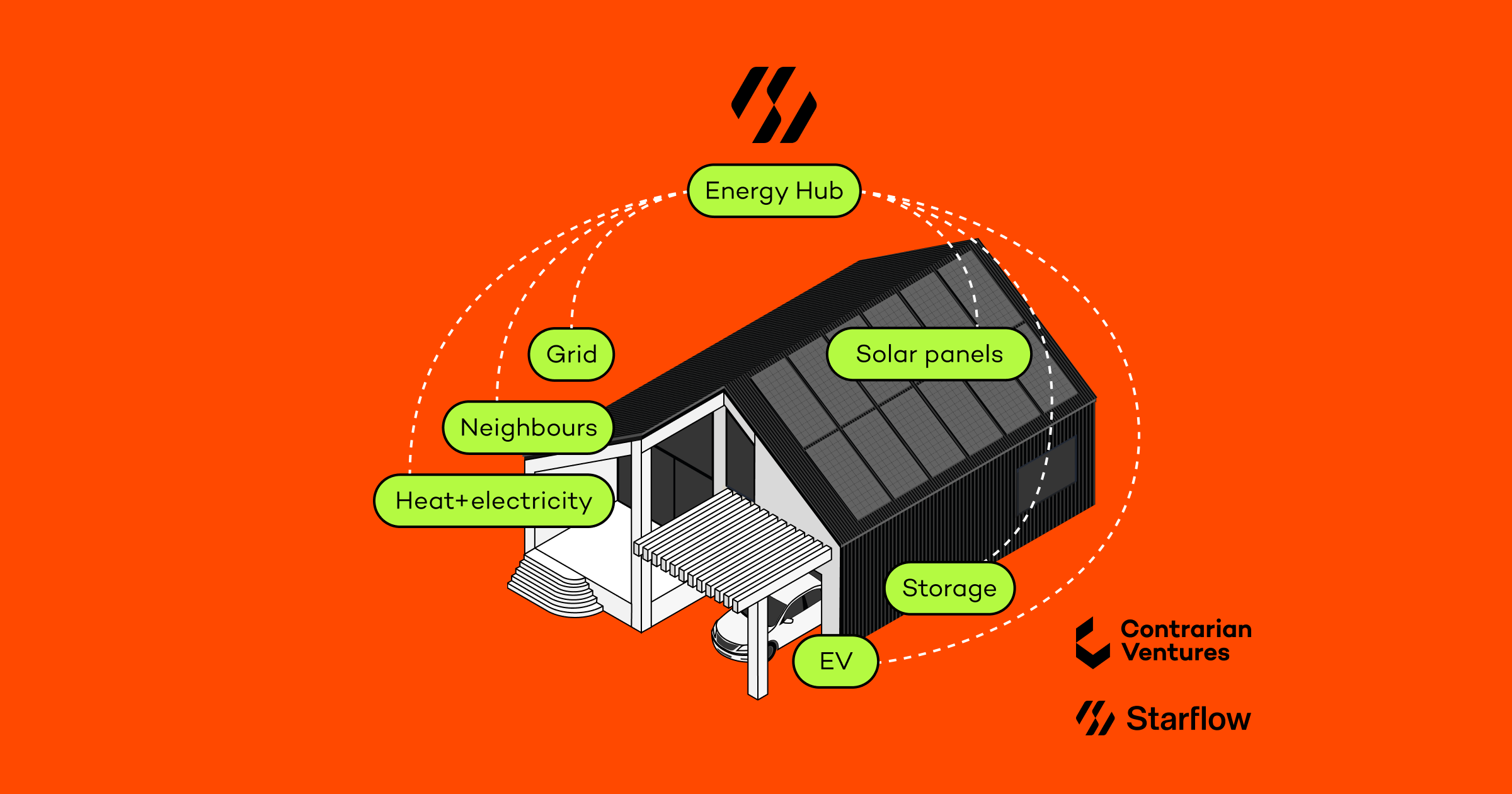
On that philosophy, the team is building an aspirational installer and consumer-first electrification system. Re-engineered from the ground up, its first product is a hybrid inverter which connects solar panels, home batteries, EV charger, and grid in one seamless home energy experience. The inverter orchestrates all the energy flows around the house by making sure the consumer is always saving on autopilot with system learning and adapting on the go.
Equipped with state-of-the-art efficiency, the inverter is lightweight and compact - design and experience first, technical specifications second. It’s modular and can be stacked on the running or planned system’s solar + energy storage capacity. If one power module breaks down, the system continues to operate. Besides, it’s easy to install, maintain, and replace, and it works with any equipment manufacturer's brand.
Being the foundational energy layer of the house, Starflow is creating an ecosystem, not just a product, opening its system to developers, energy providers, and smart home innovators. With secure APIs and a design-led SDK, third parties will be able to build services that live natively inside the Starflow experience. It could be a utility wanting to increase customer engagement or Beebop running its orchestration algorithms.
The team is working hard to launch the product and get it out for first pilots as soon as next year. Wish we could share more - but for now, Starflow is aiming to become the heart and centerpiece of everyone’s home - a device that makes you want to show it off rather than hiding it in the garage.
Residential storage at its inflection point
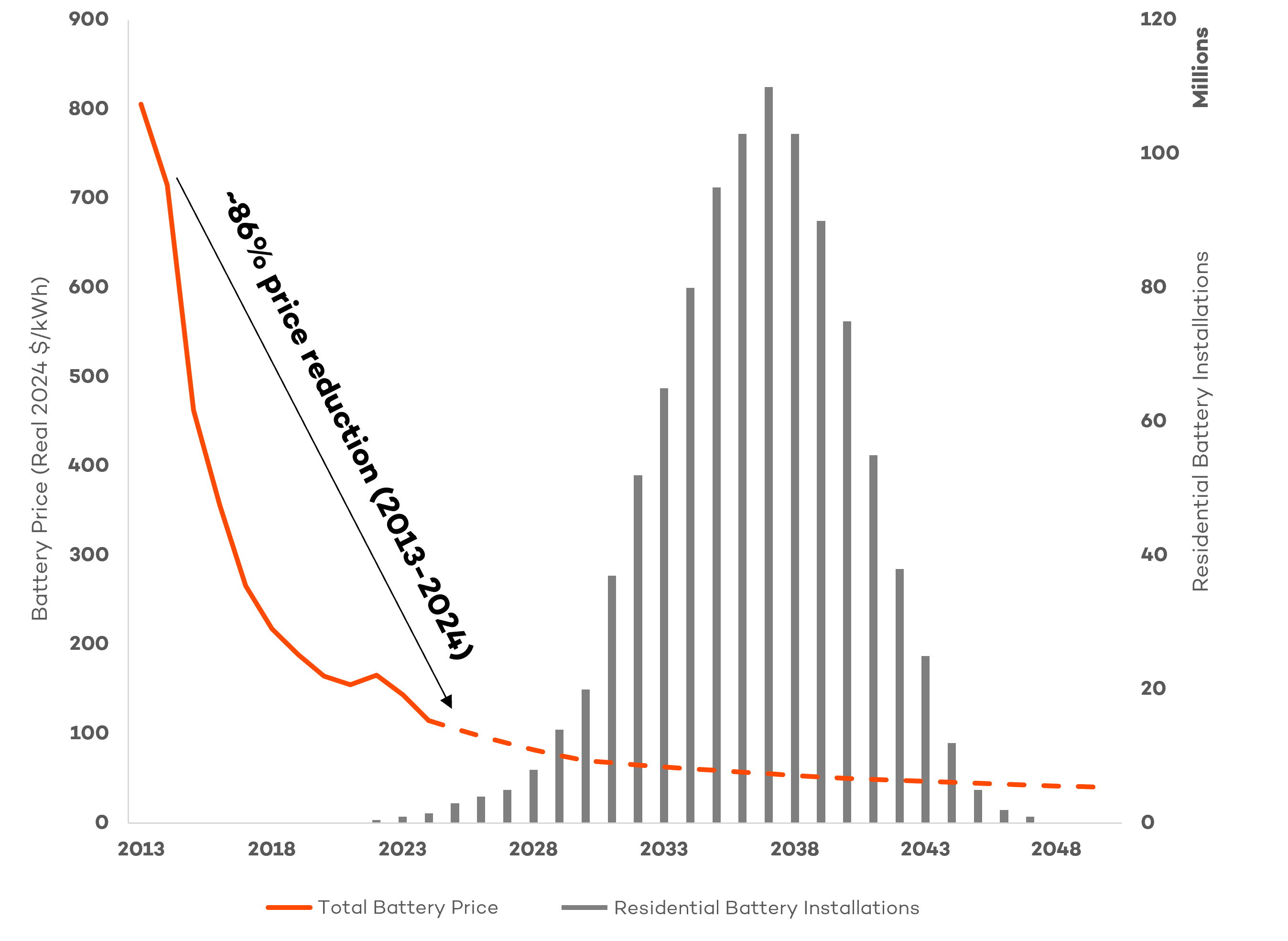
Hybrid inverters wouldn’t be as relevant if it weren’t for the 86% decrease in energy storage price over the past 10 years and the expected rapid deployment of residential batteries. While utility-scale renewables + storage fixes the supply problem, the decentralised / at the source of consumption residential batteries could fix the demand + supply problem and become the holy grail of electrification.
The timing for Starflow's first product couldn’t be better, as batteries become a mainstream product. They are already saving Puerto Rico from blackouts, major tests are being run this year in California to deliver 535MW over two hours to the grid, and Australia added 852MWh across 73k residential battery installations in 2024 alone.
The economics of systems should improve further as the share of grid delivery costs in the total energy bill soars, driven by rising electrification rates and the additional strain on the grid from data centres. As energy markets continue to open up for consumers, there will be more monetisation opportunities, such as trading within the neighbourhood/energy communities (a prominent example of Austria). Net billing is also being rolled out across the major EU countries, penalising standalone solar prosumption while incentivising / bringing the ROI up for solar + energy storage combo.
The history often rhymes
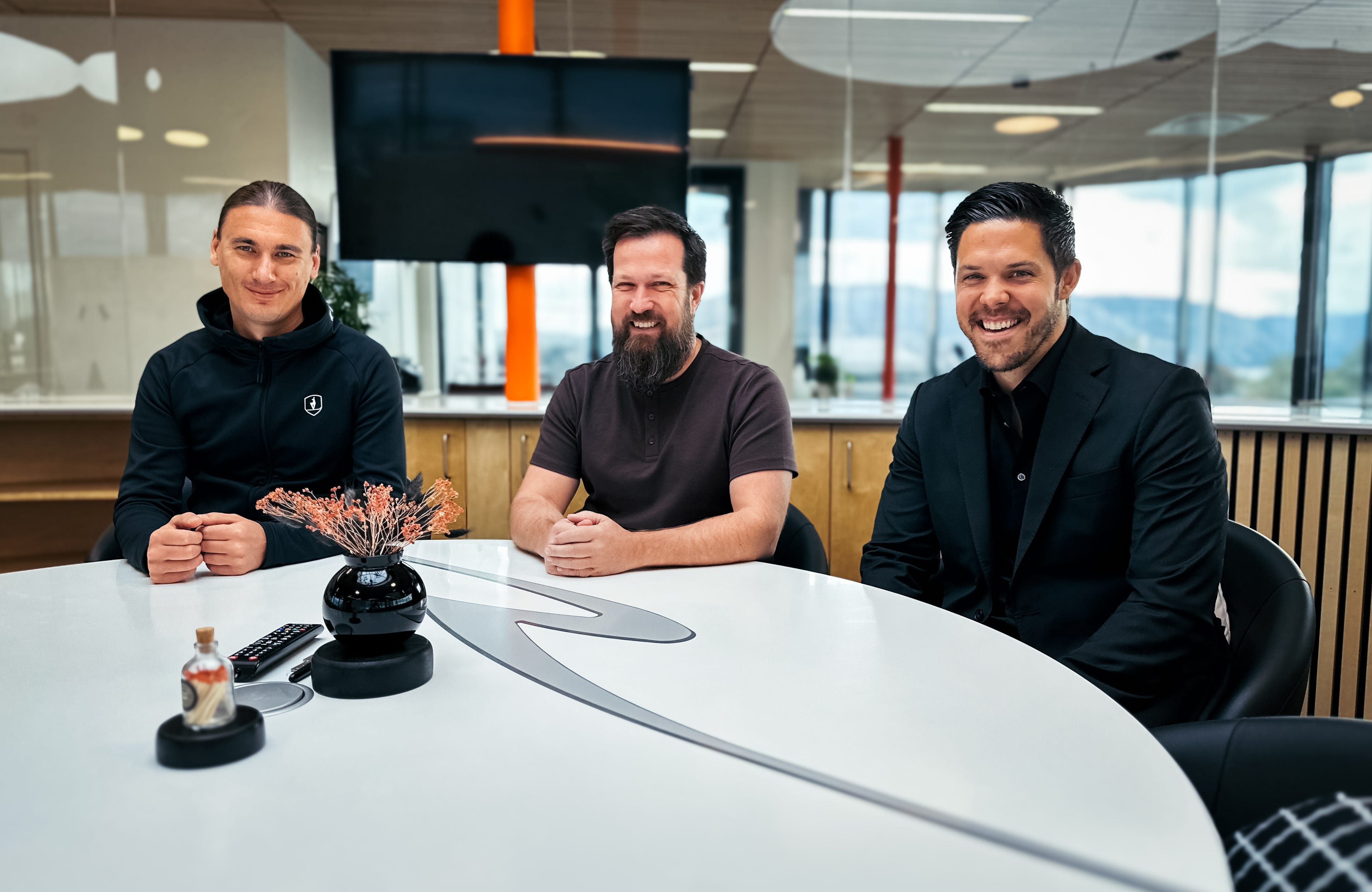
Three gentlemen behind Starflow - Jonas, Ola, and Nikolai - have gone through a similar story before. Jonas was one of the key people at EV charger manufacturer Zaptec (#1 company owning 13% of home EV charging market in Europe) and later, in 2018, founded Easee (#3 company owning 6%). Easee made the EV charger an aspirational product, where people chose design and color over the technical specifications suggested by their installer. Prior to Easee, EV chargers were considered mere home appliances (as hybrid inverters are today), and they were definitely not great.
Building hardware businesses with sustainable margins while establishing a scalable supply chain is hard, but the team has bonded with it well after selling 1m+ of EV chargers in less than 5 years, as part of the Easee journey. Now, the team is bringing the relationships and know-how into Starflow.
We were truly impressed with the depth of technical expertise in the team. Whether it is power electronics or firmware, the team consistently thinks in terms of first engineering principles. The engineering team is led by Ola, who is one of the most humble people that we have met, yet someone who would always challenge the technology’s status quo and never settle for marginal improvements.
Jonas, on the other side is a true visionary who is obsessed with product, design, and the future vision of the company. He is very bold, and from the first interaction, one could tell that he sees things that other people typically wouldn’t see or even think about. It’s hard to put it into words, but he is definitely a big inspiration to the rest of the Starflow and our team at Contrarian Ventures.
By spending time with everyone in the team, one could tell that everyone is in perfect sync and you couldn’t ask for a better combo of product and design obsession, reinforced by a very deep technical expertise. We are lucky to be part of this journey!
While the full team and their product are still in stealth mode, we have already had a glimpse into what the future will look like from their latest product demo day.
All we can say - energy will be in a state of seamless flow very soon. And Starflow is building an ecosystem that makes flow a reality. From chaos to harmony. Meet Starflow. They are hiring.